Play • Language • Joyful Learning • Curiosity Building
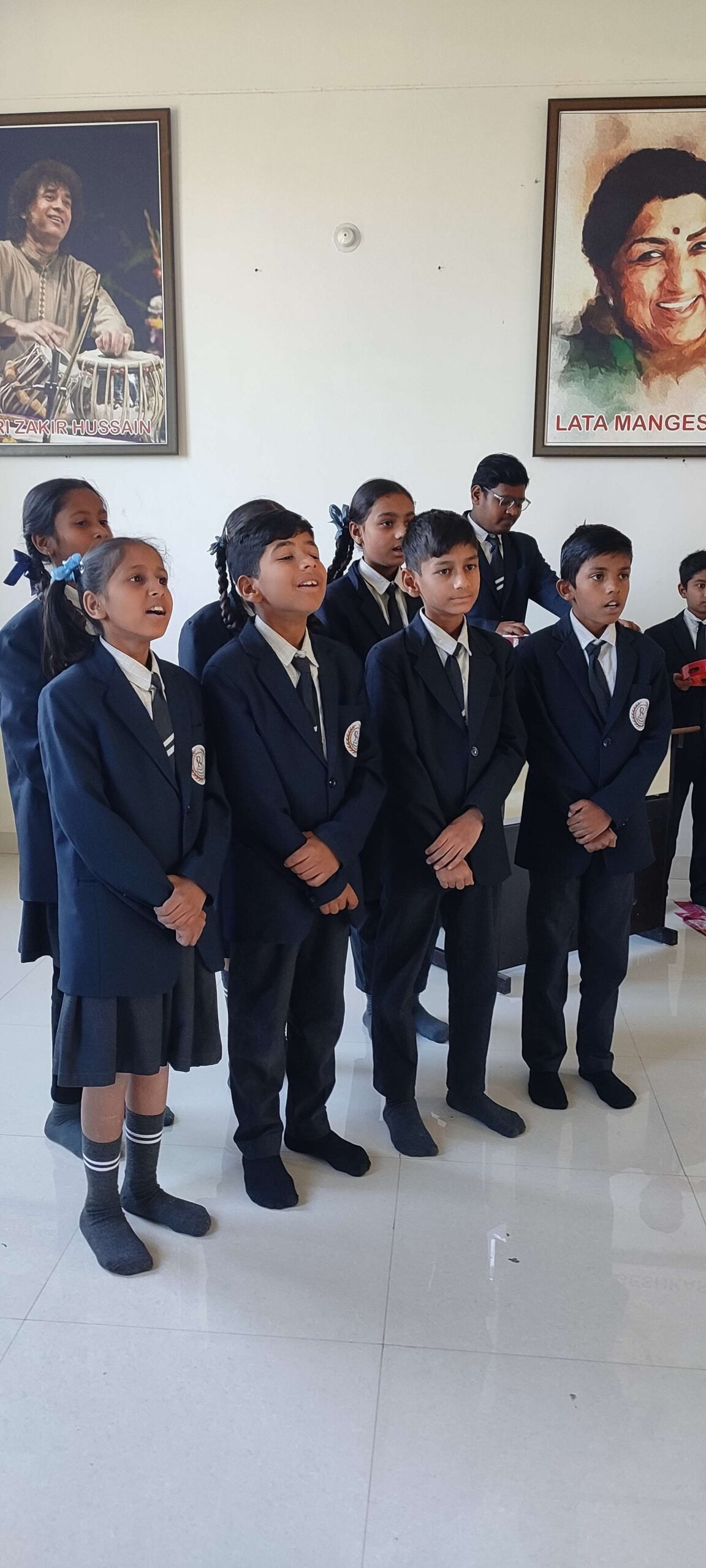
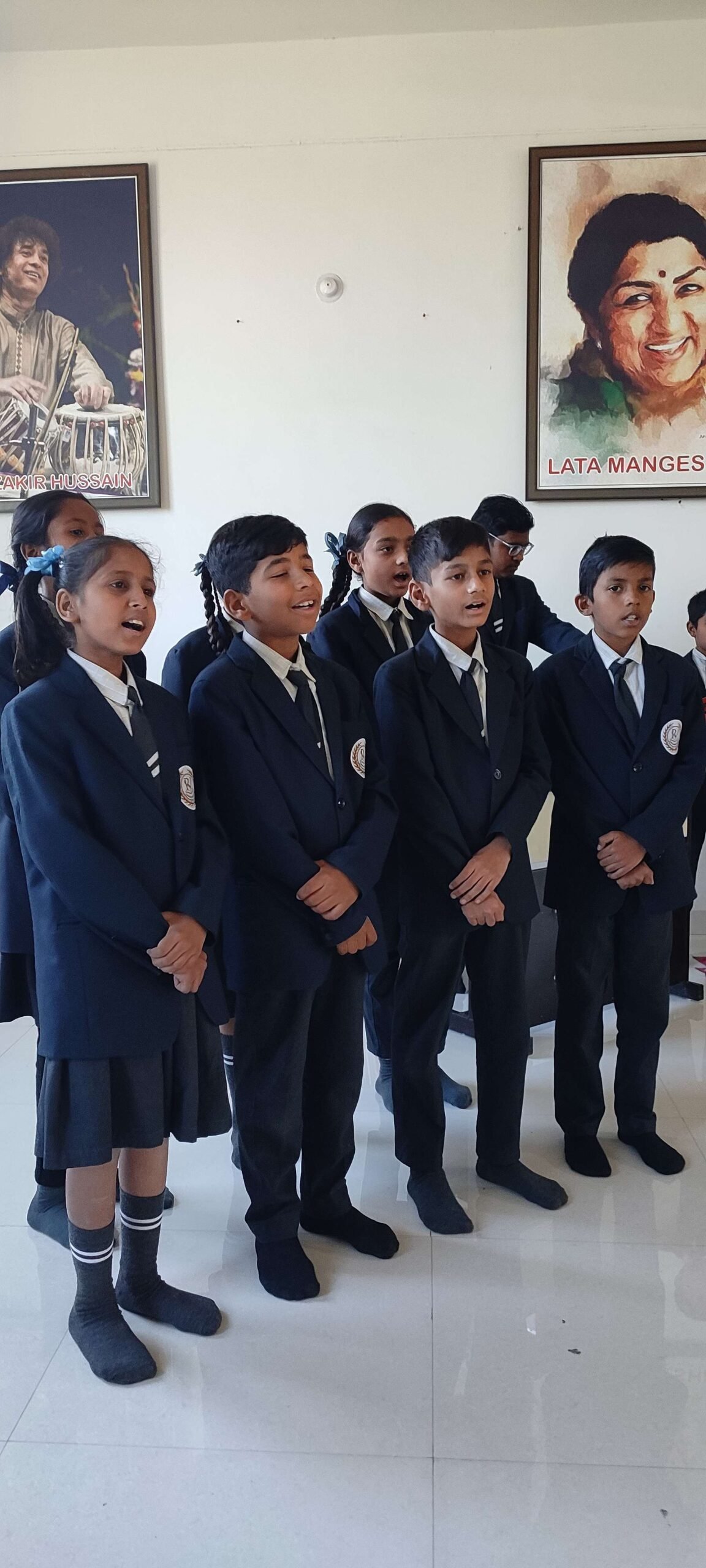
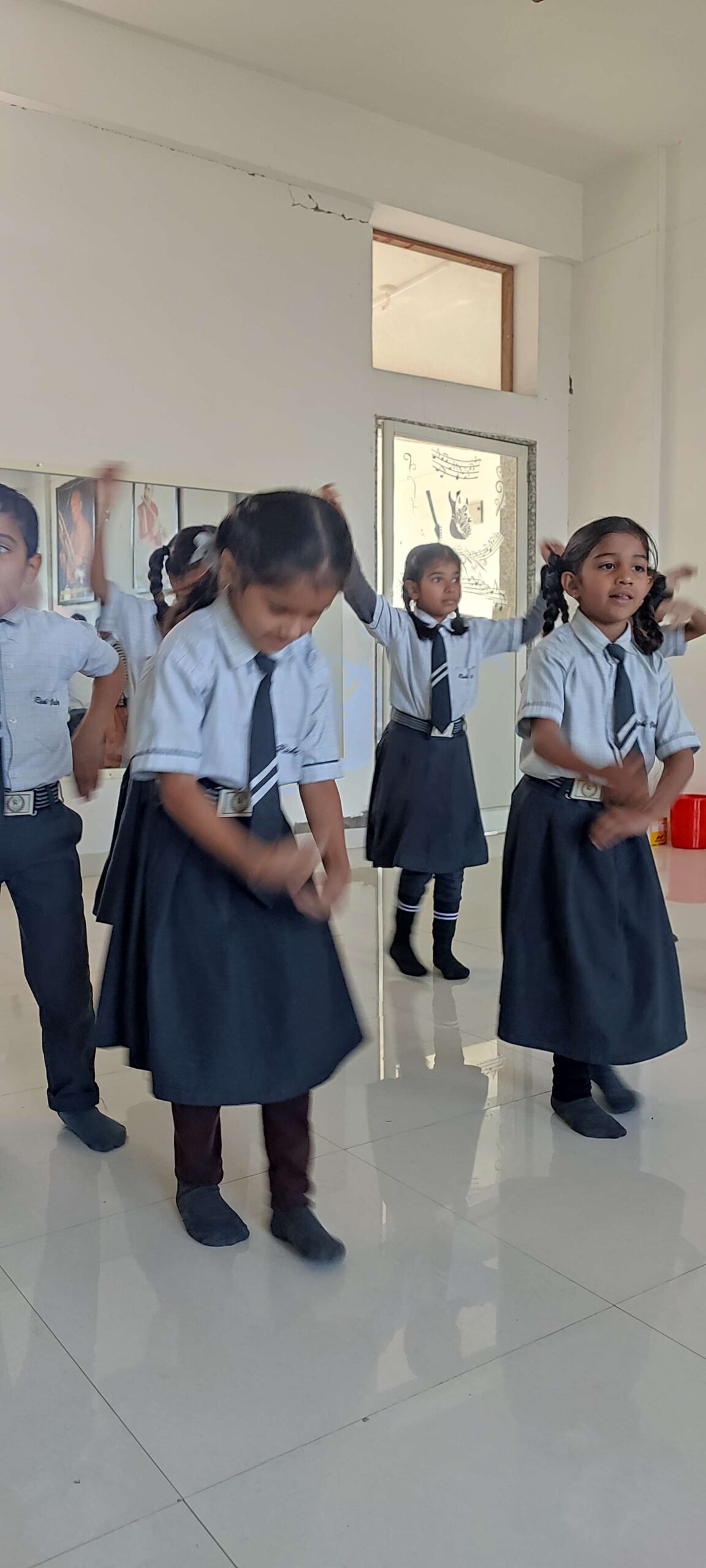
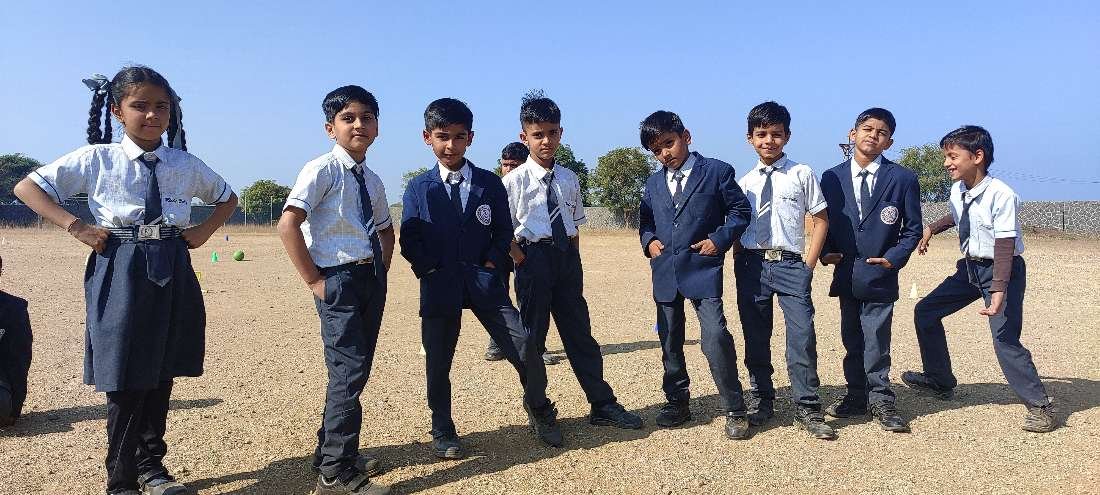
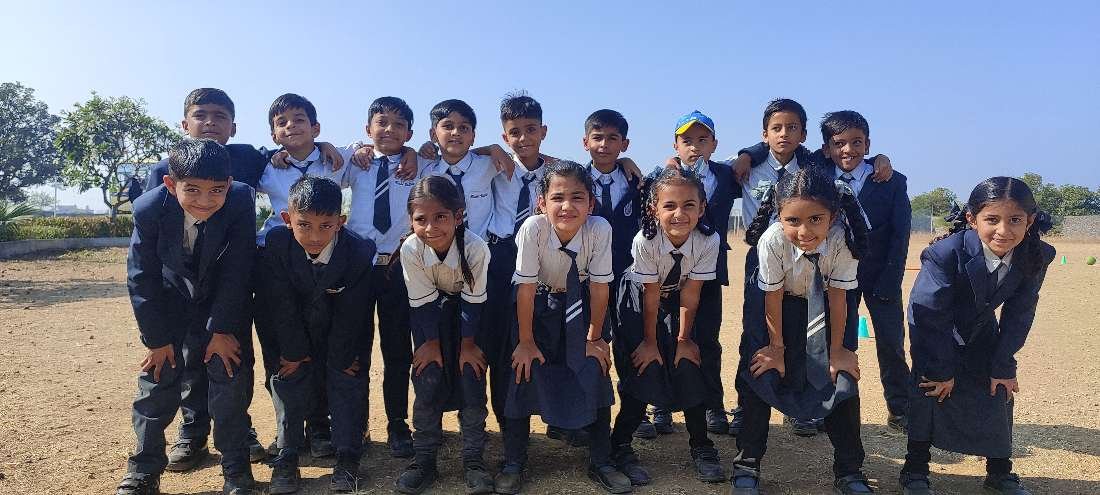
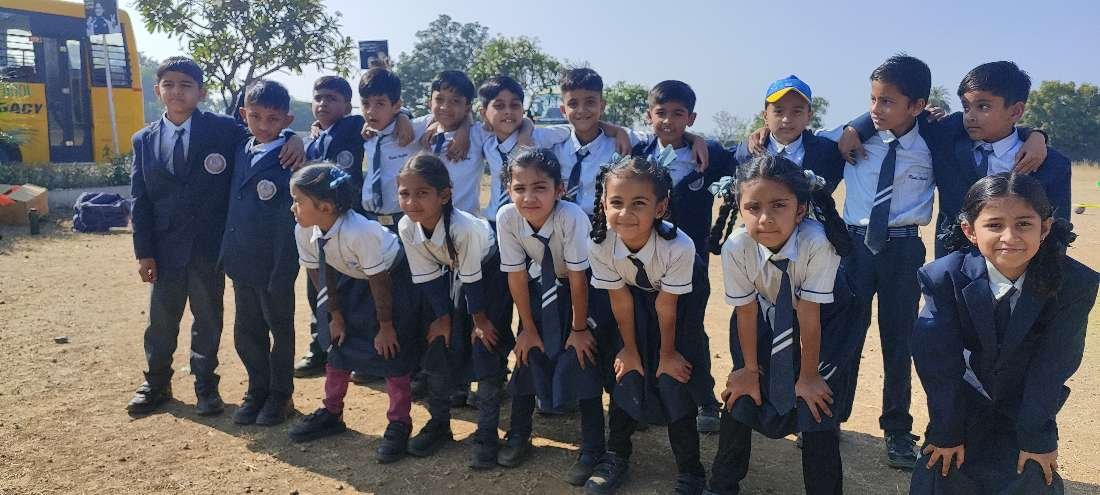
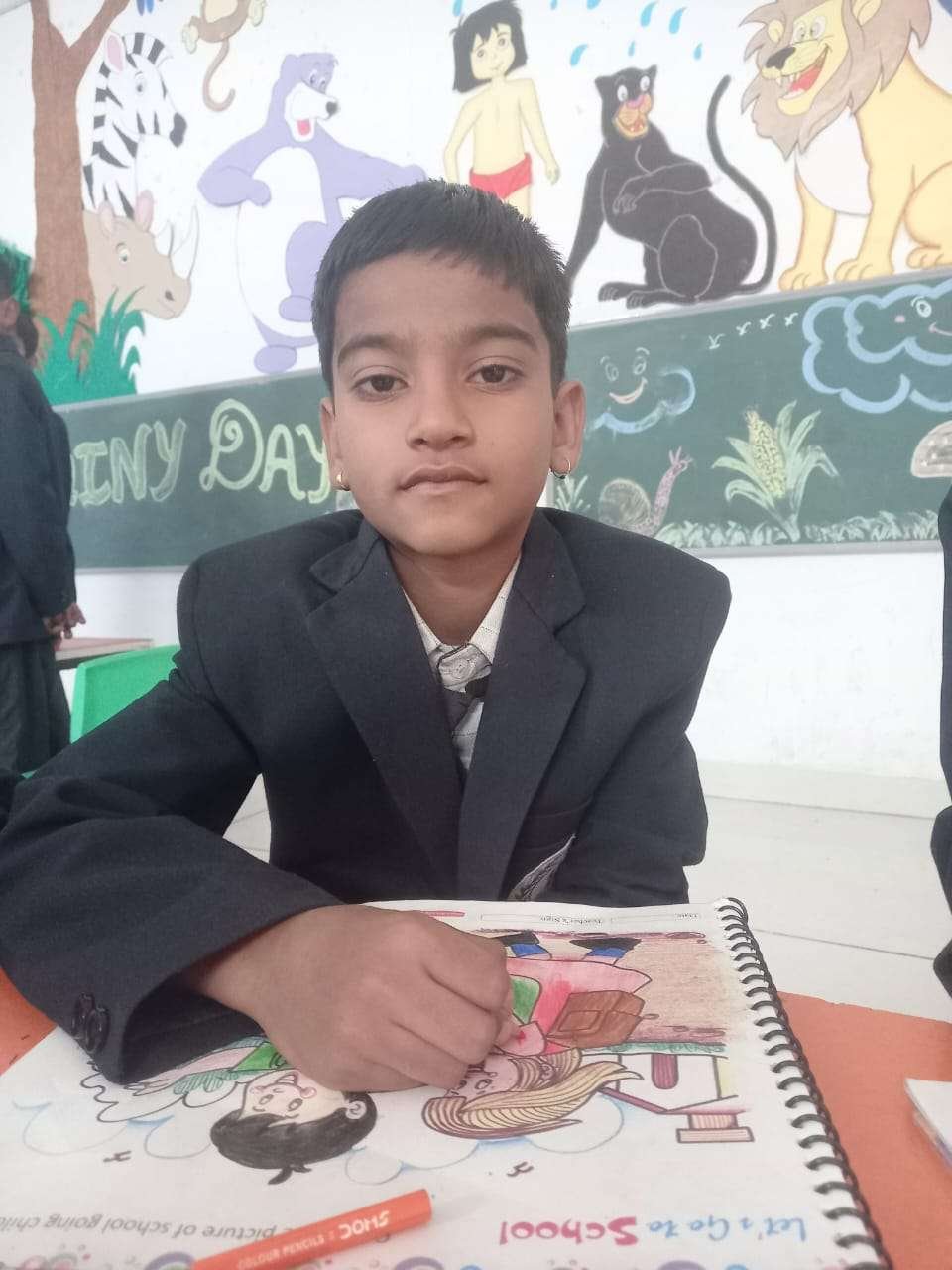
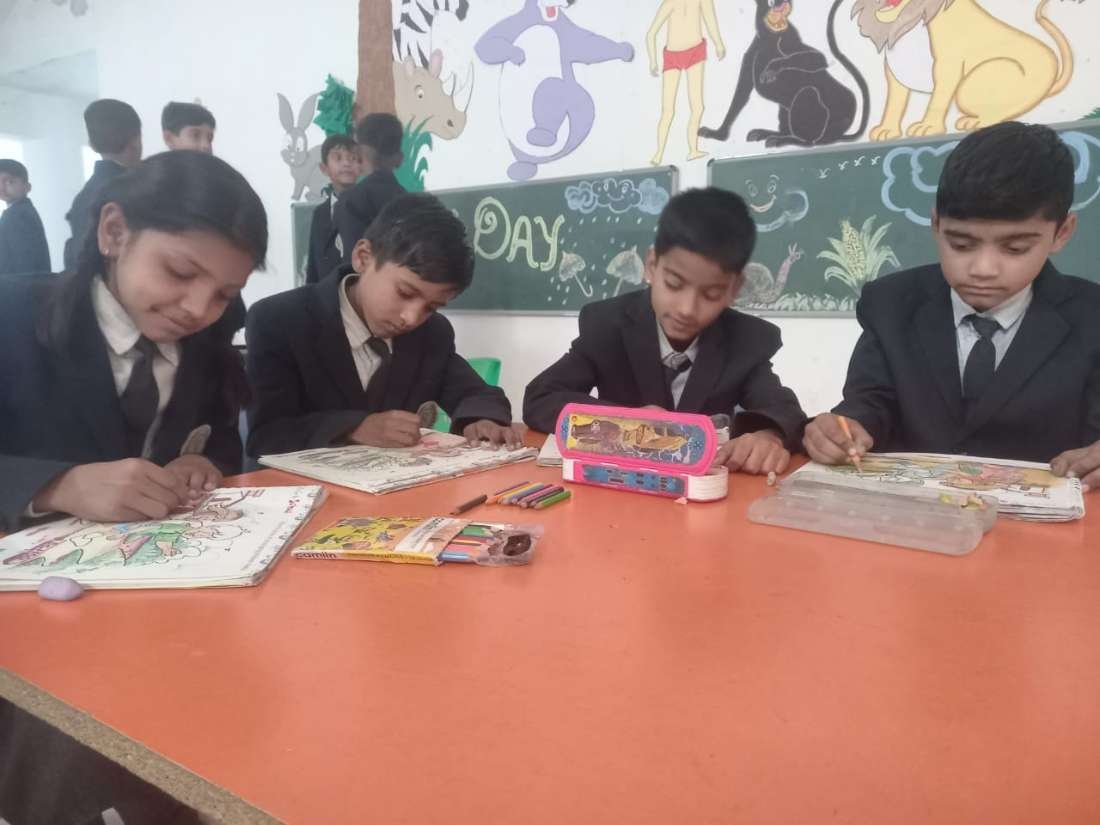
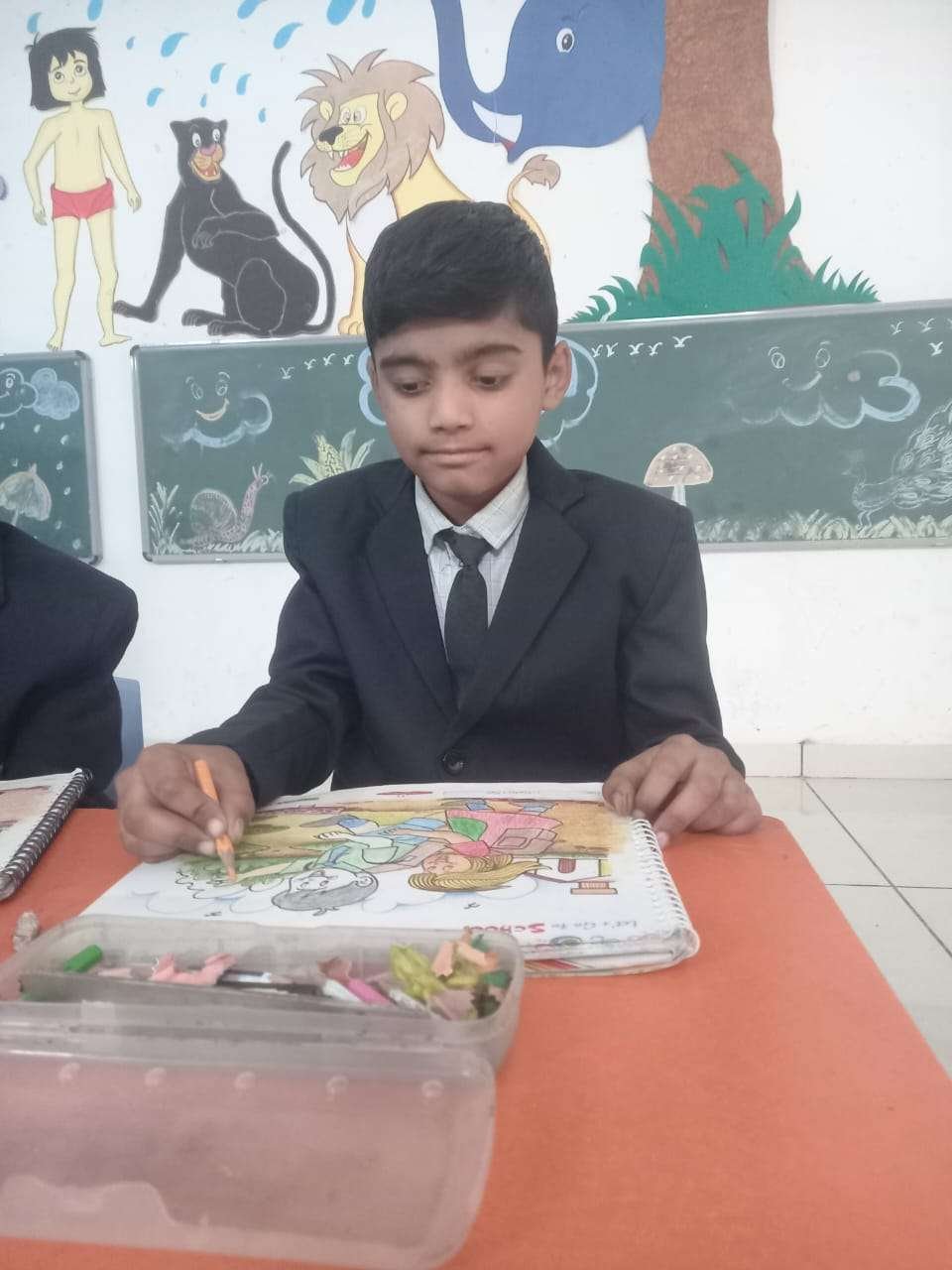
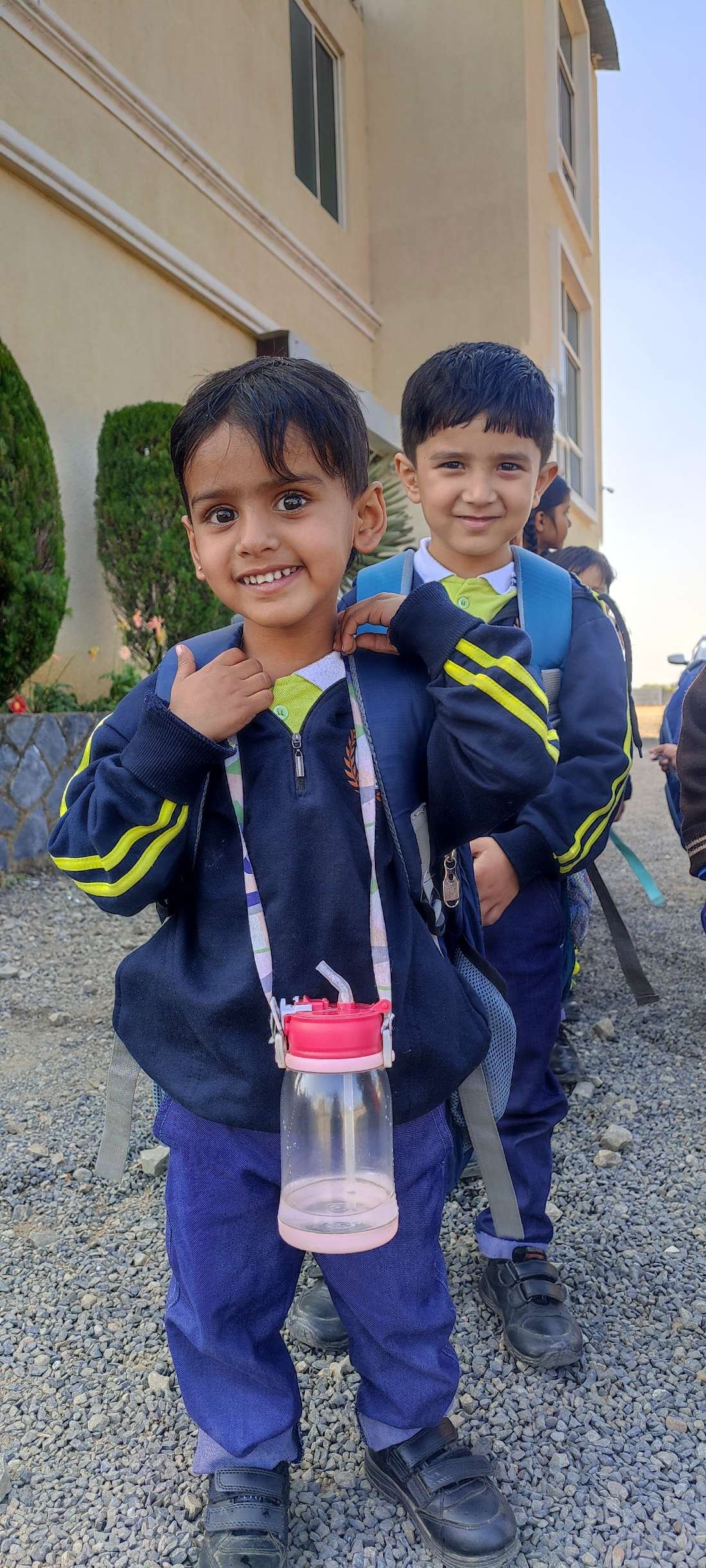
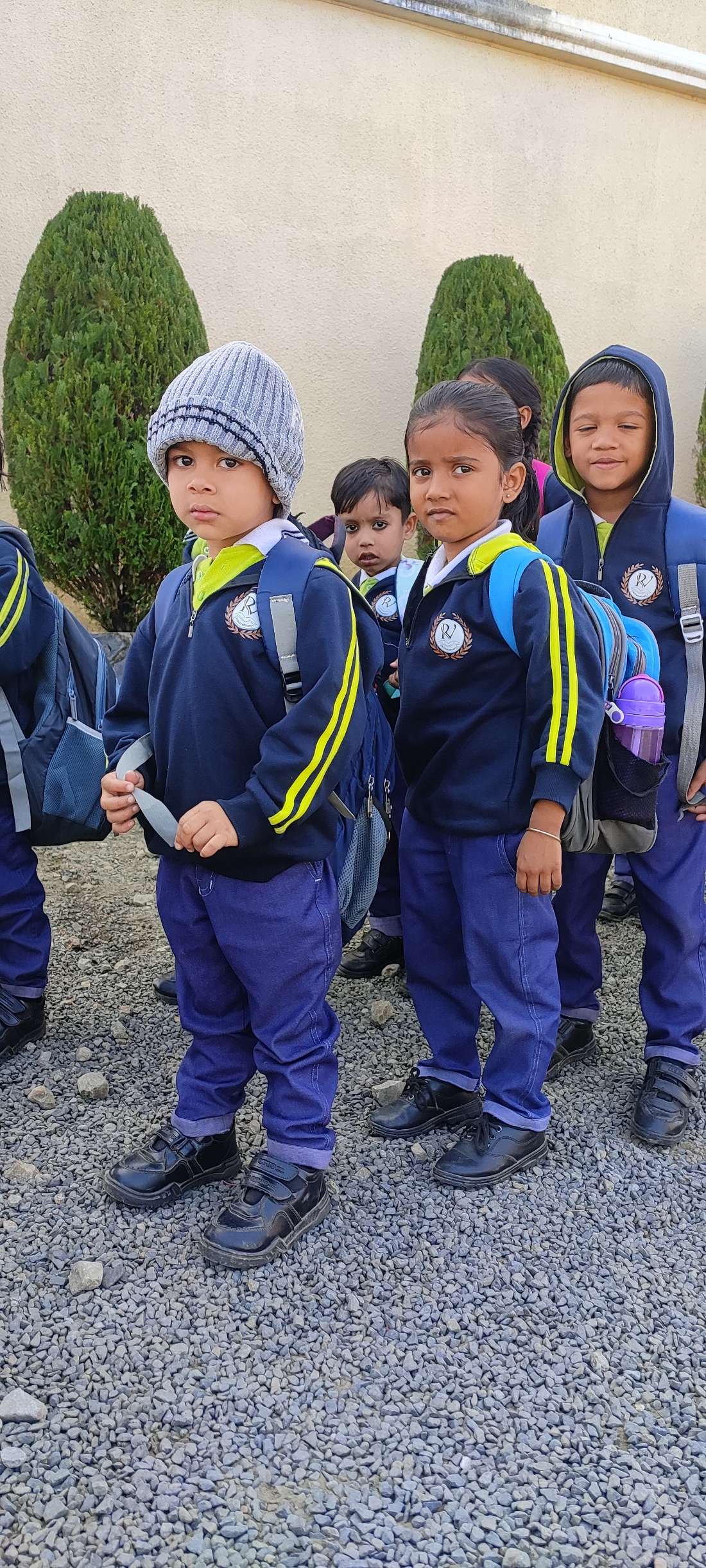
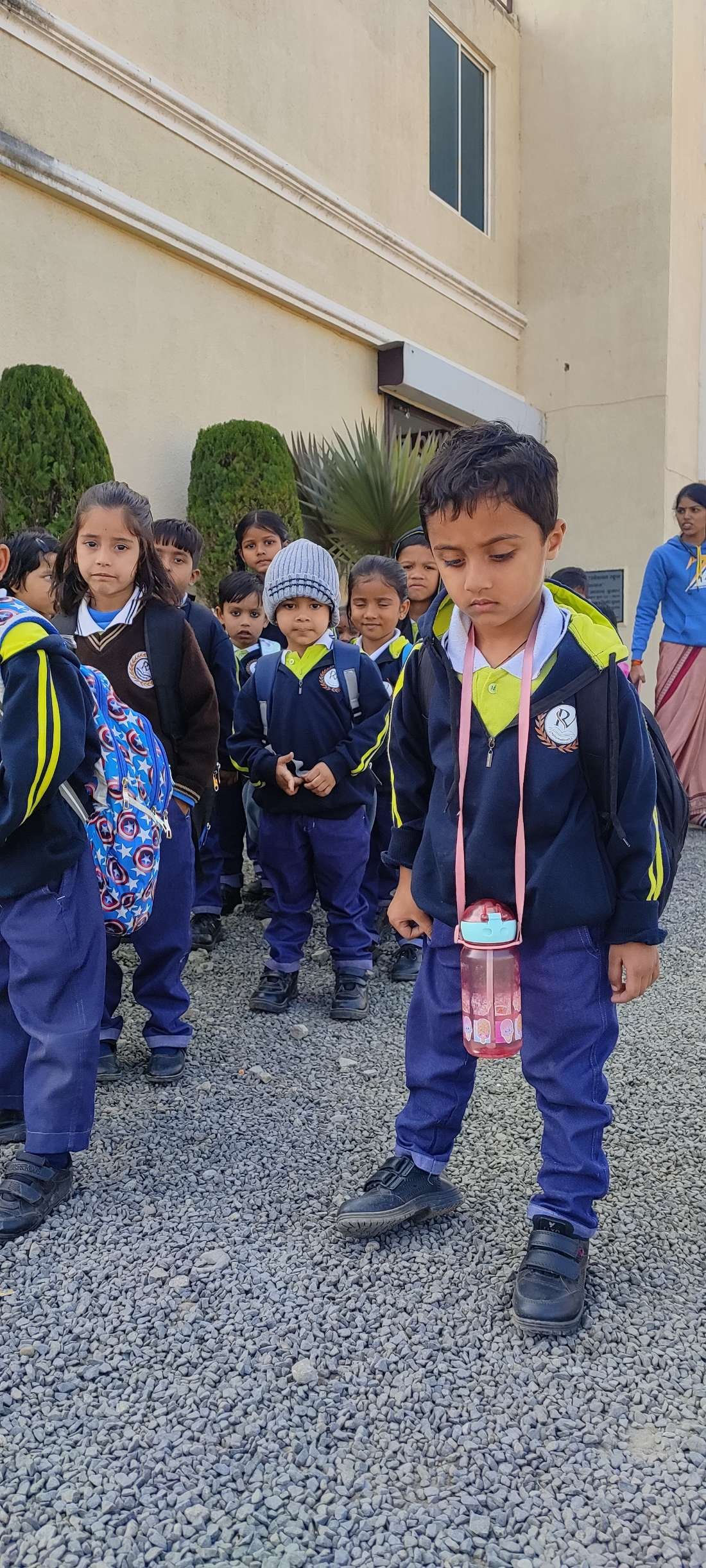
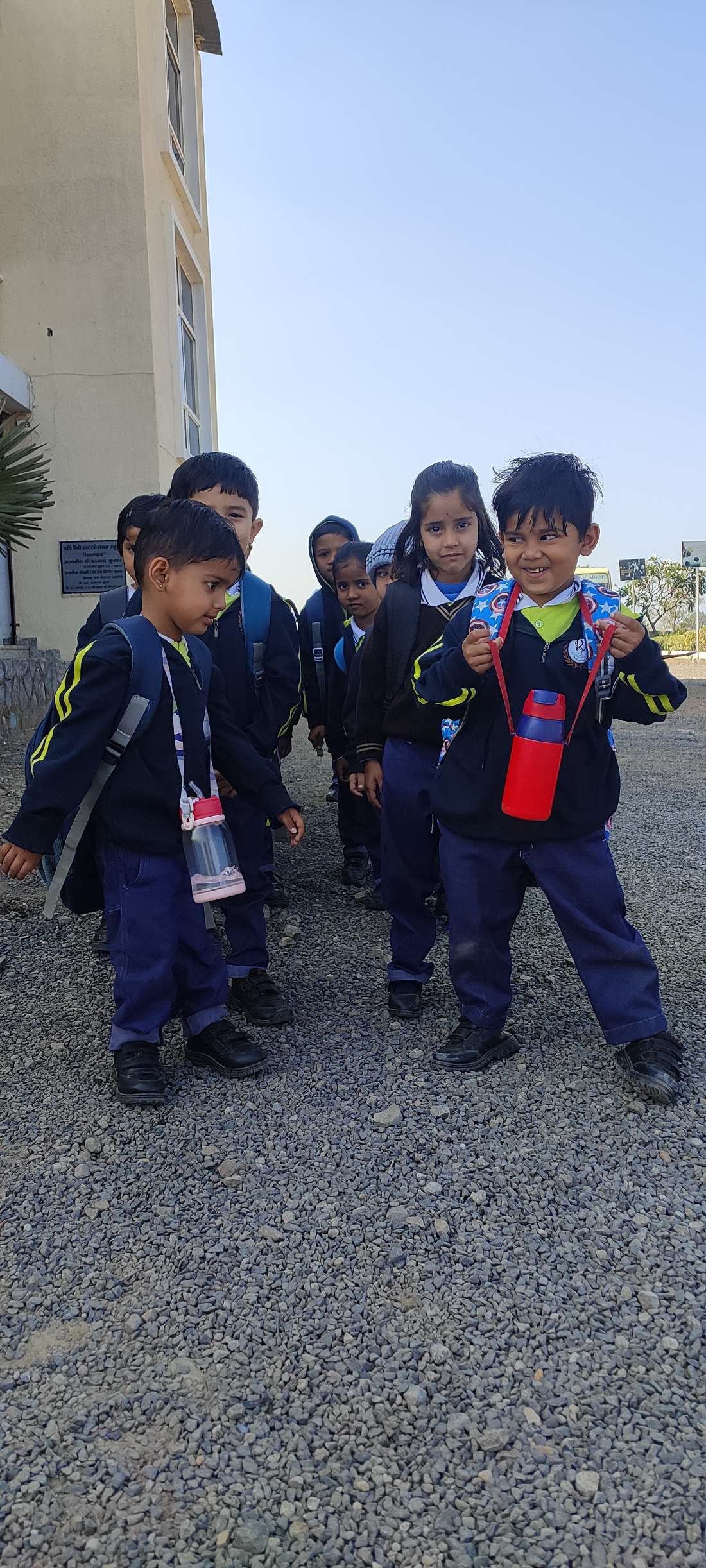
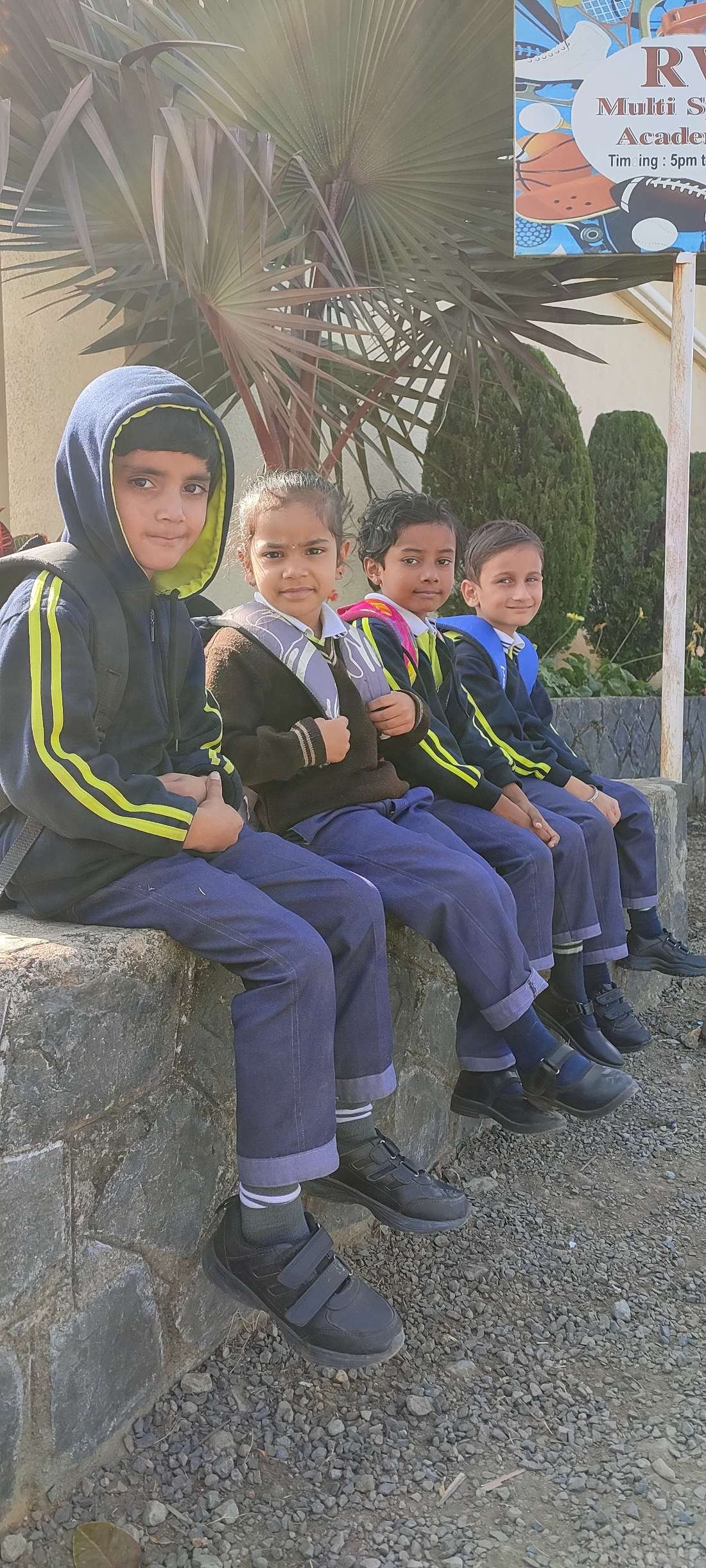
The Foundational Stage at Rishi Valley Group of Schools builds the earliest layers of learning through joyful, sensory-rich, play-based experiences that stimulate curiosity and help children understand the world around them. At this age, children learn naturally through exploration, conversation, stories, sounds, movements, and imaginative play.
With a strong emphasis on early language development, emotional bonding, motor skills, and social interaction, the environment ensures that learning is enjoyable, pressure-free, and developmentally appropriate. This stage lays the foundation for future literacy, numeracy, communication skills, creativity, and confidence.
Key Features
Play-based, activity-driven classrooms
Strong emphasis on language development through stories, phonics, rhymes & conversations
Early numeracy through games, manipulatives & fun activities
Development of motor skills, socio-emotional bonding, and basic discipline routines
Introduction to LSRW skills (Listening, Speaking, Reading, Writing) in a natural setting (from teacher input)
Art, music, free play & creativity encouraged every day
PREPARATORY STAGE (Ages 8–11)
Concept Building • Formal Learning • Reading-Writing-Maths Mastery
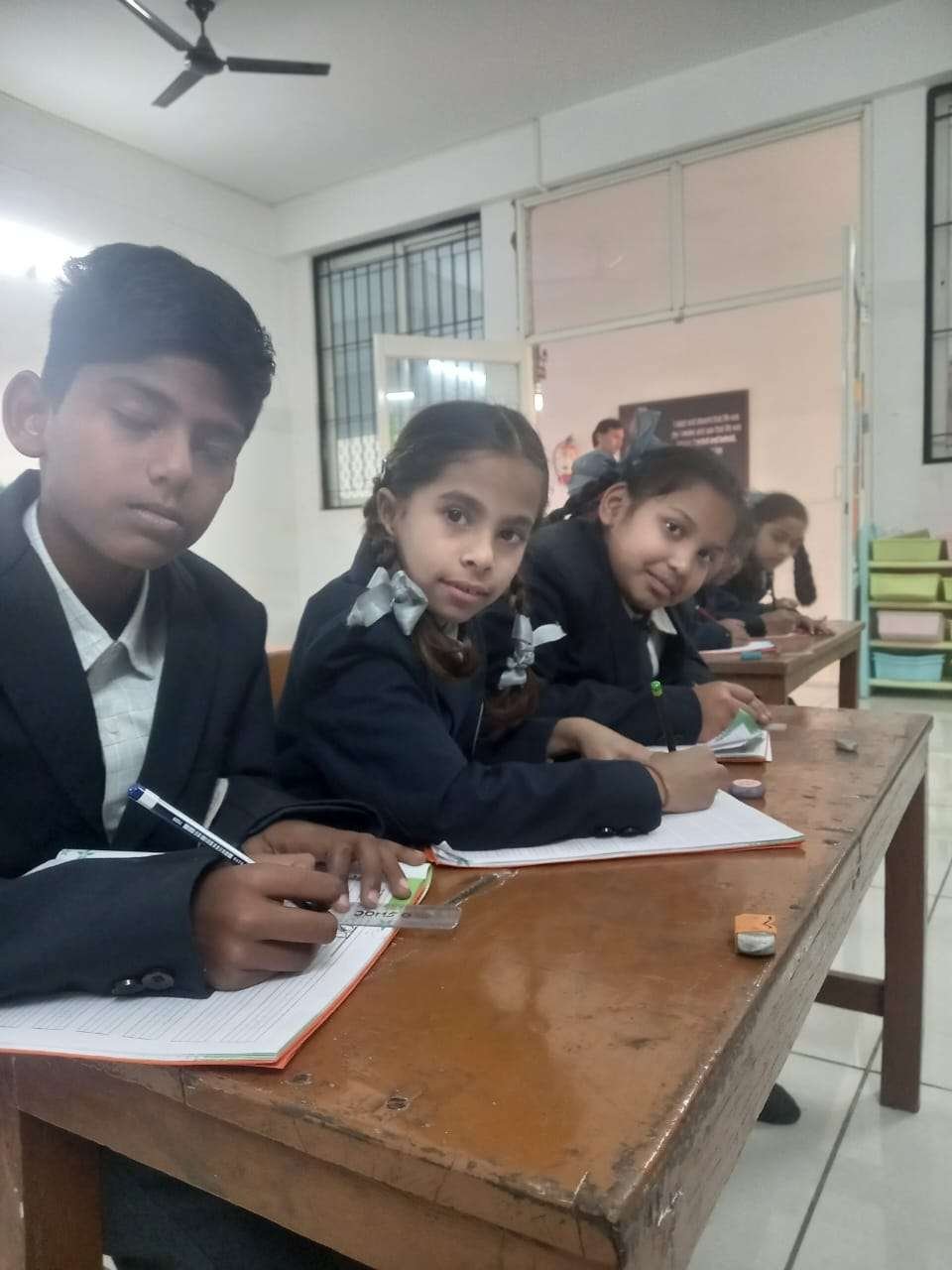
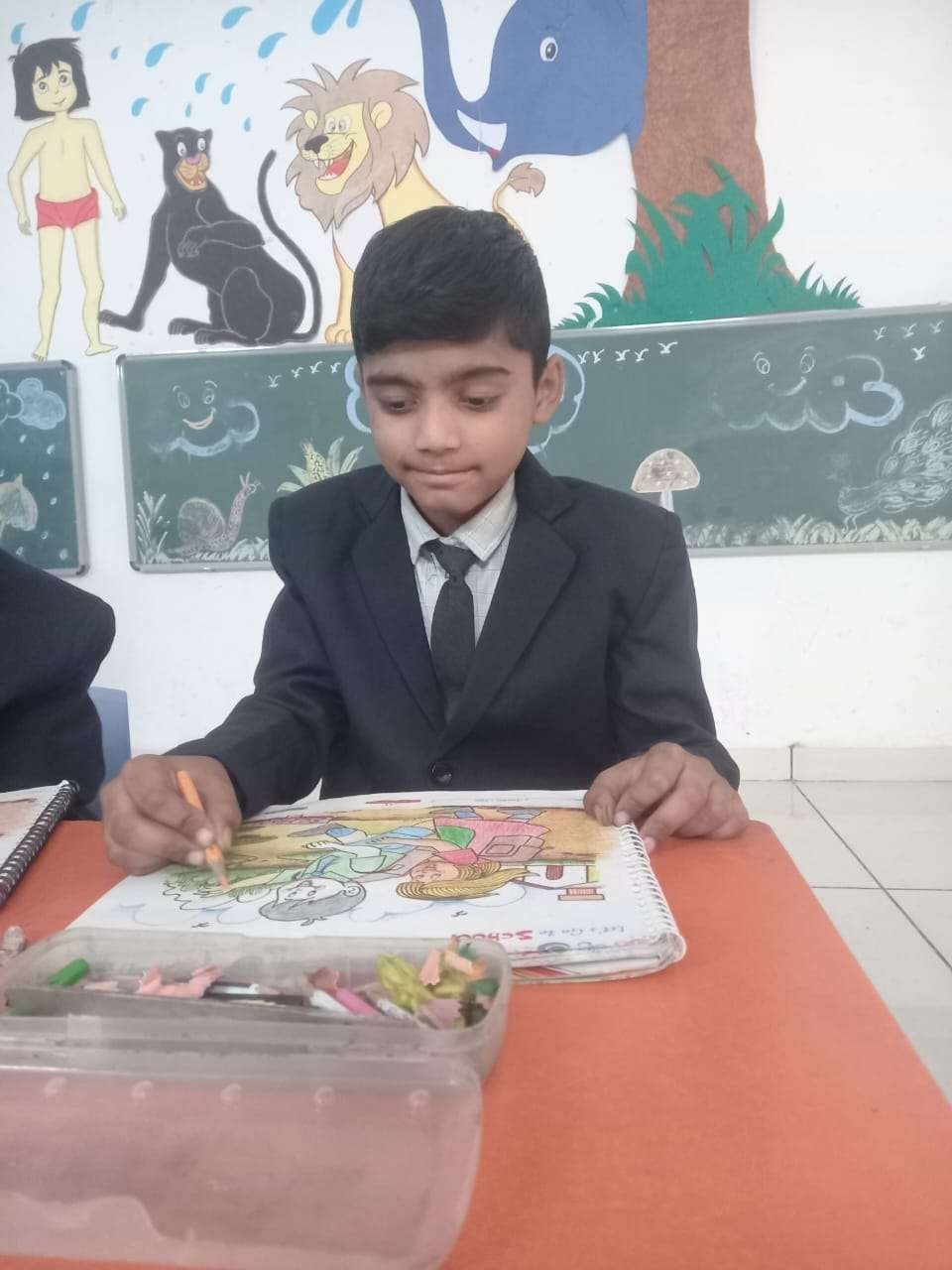
The Preparatory Stage introduces formal learning in a structured yet engaging manner, helping children transition from play-based learning to concept-oriented academics.
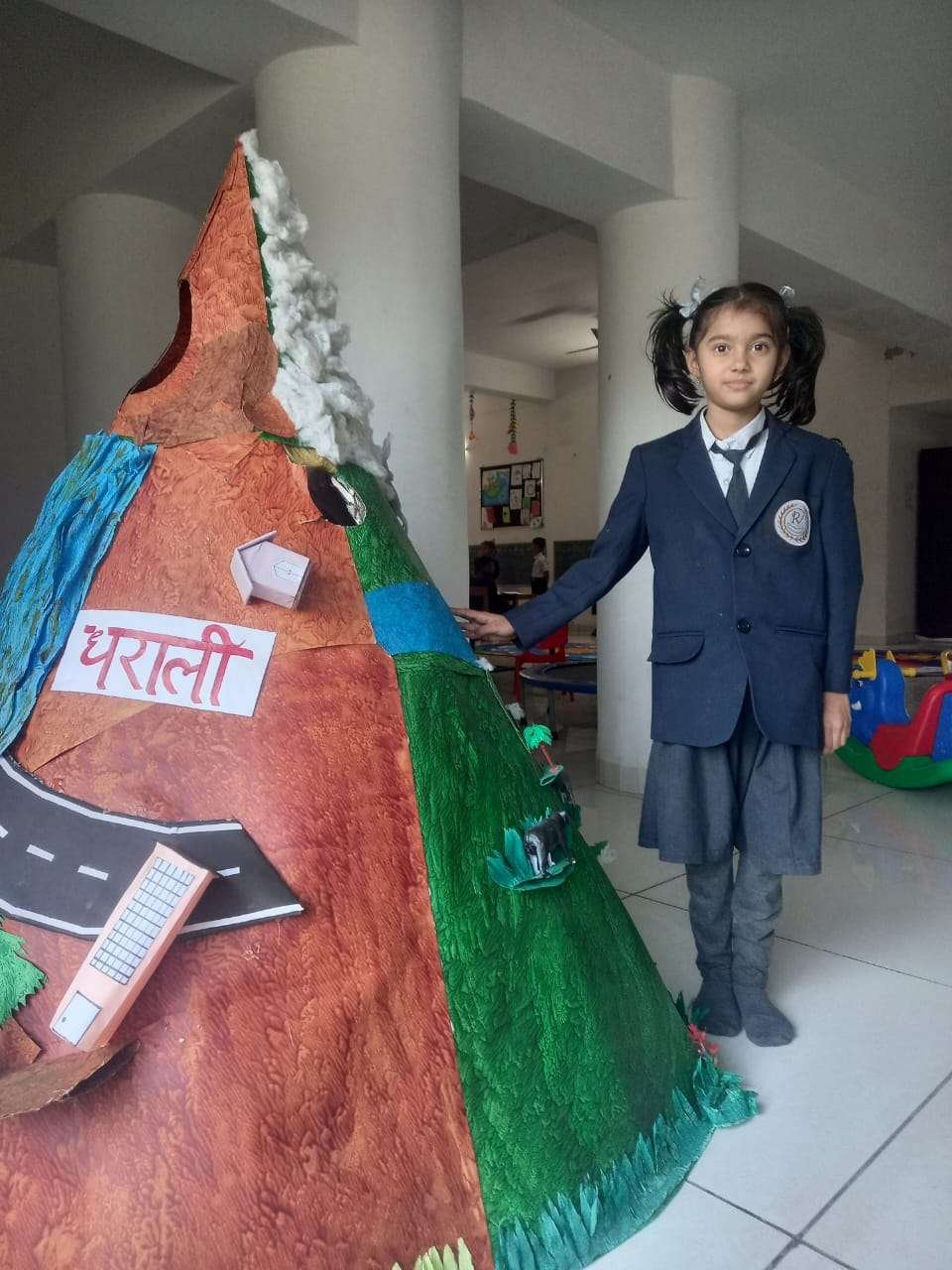
At this level, students begin strengthening foundational skills through reading, writing, arithmetic, EVS, and inquiry-based exploration. Learning remains fun and interactive through projects, games, demonstrations, and hands-on activities that deepen understanding.
Regular feedback, activity-based instruction, and real-world connections ensure students build strong academic habits, develop clarity in concepts, and experience learning as an enjoyable process rather than a stressful one.
Key Features
Formal instruction in literacy, numeracy, EVS, and basic sciences
Project-based learning to develop deeper understanding & application
Activity-based experiments, educational games & real-world connections
Regular feedback system to monitor progress
“Learn-by-fun” methodology to make academics stress-free & engaging
Early exposure to technology, logical thinking & collaborative learning
MIDDLE (Ages 11–14)
Critical Thinking • Problem Solving • Skill Development
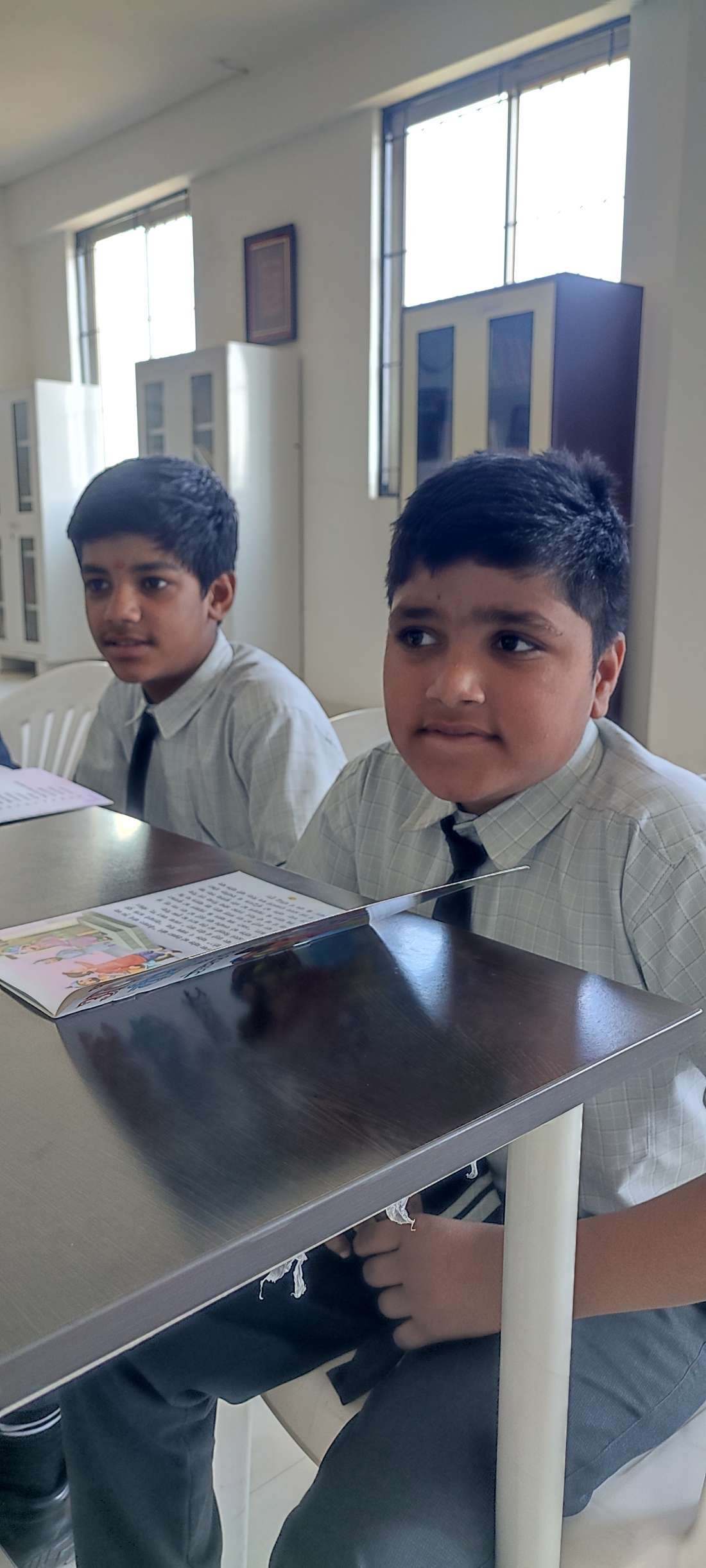
Single-Paragraph Explanation: The Middle Stage focuses on strengthening intellectual depth by developing analytical thinking, reasoning, and problem-solving abilities. Students at this stage begin connecting academic concepts with real-life applications through projects, debates, collaborative tasks, and experiments.
This is a transformative period where independence grows, curiosity deepens, and children start forming academic preferences.
With structured guidance, exposure to diverse subjects, and opportunities to express and defend ideas, students learn to think critically, communicate clearly, work in teams, and solve problems in creative, logical ways.
Key Features
Emphasis on critical thinking, brainstorming & inquiry-based learning
Application-oriented learning across Math, Science, Social Sciences & Languages
Structured development of problem-solving skills through projects & real-life case studies
Collaborative learning: debates, group work, reasoning tasks
Integration of co-curricular skills like discipline, communication & leadership
Emphasis on practical sessions & experiments
Exposure to arts, sports & clubs for personality development
SECONDARY STAGE (Ages 14–18)
Multidisciplinary Learning • Career Orientation • Future Readiness
The Secondary Stage prepares students for higher education and future careers by offering multidisciplinary choices, academic specialization, and exposure to real-world knowledge. Learners select subjects based on interests, aptitude, and long-term goals while developing deeper understanding through research, lab work, projects, and critical analysis. Alongside academic rigor, students receive career guidance, develop life skills, and gain confidence to operate independently in diverse environments. This stage equips them with the competencies, discipline, and vision needed to succeed in college, careers, and life.
Key Features
Flexible subject choices in Science, Commerce & Humanities
Focus on conceptual understanding + exam preparedness
Research projects, subject electives & advanced lab work
Career counselling to help students identify pathways
Skill-based learning integrated with NEP goals
Development of life skills: responsibility, collaboration & emotional maturity
Continuous mentorship & personalised guidance
Opportunities to showcase excellence through competitions, fairs & internships